
Commercial collections for lenders, debt buyers, and businesses in Illinois.
Methodical is smooth, and smooth is fast. Collections counsel that’s easy to use, transparent about every file, and consistent from the first account to the last.
Easy to use. Transparent. Consistent.
Easy to use
Every client goes through an onboarding, not a pile of engagement letters. We read your contracts, build a template system matched to them, agree on how and when you’ll refer accounts, and set up your access. After that, referring an account is sending us the file.
Transparent
You can see where every account stands, the stage, next action item, and dates, without emailing to ask. Every standing client gets a shared drive holding the documents on each account and a live portfolio tracker showing its status, both updated as the work happens. Fees are explained before you commit.
Consistent
Every demand letter, complaint, arbitration demand, citation, and motion on your accounts comes from your template set, so the two-hundredth file is handled exactly like the first. That is also why the cost of collections counsel comes down over time instead of growing with every new account.
What we do
Ansari Business Litigation is a Chicago law firm that collects commercial debts and enforces judgments for lenders, debt buyers, and businesses in Illinois. If a customer, borrower, or counterparty owes you money and hasn’t paid, we take the account from demand through lawsuit or arbitration, judgment, and collection in Cook County, across Illinois, and in the arbitration forums your contracts name.
How a collection matter moves
Every account follows the same path, and you can see which step it’s on.
Before you buy the debt
For debt buyers, the most expensive mistake happens before the first demand letter: paying for paper that can’t be collected. We review a portfolio before you commit, the contracts, the forum and venue clauses, the age of the accounts against Illinois limitations periods, the documentation, the debtor profile, and tell you which accounts are good debt, which are bad debt, and what it will cost to work the good ones.
Who we work with
Lenders and finance companies with delinquent commercial loans and guaranties. Debt buyers evaluating or holding commercial portfolios. Equipment and vehicle lenders. Suppliers, distributors, and manufacturers with past-due trade receivables. Service businesses, SaaS companies, and contractors with unpaid invoices. Landlords with commercial rent and judgment balances. Any business holding a judgment it hasn’t been able to collect.
How we charge
For collections, two models: straight contingency, where our fee is a percentage of what we recover and you owe no attorney’s fee if we recover nothing; or hybrid, a fixed monthly fee for a defined volume of accounts plus a reduced contingency on recoveries. Which fits depends on your volume and the age and documentation of your accounts, and we’ll tell you at the consultation. Pre-purchase portfolio review and litigation are billed hourly or on a flat fee by stage.
Who you’re working with
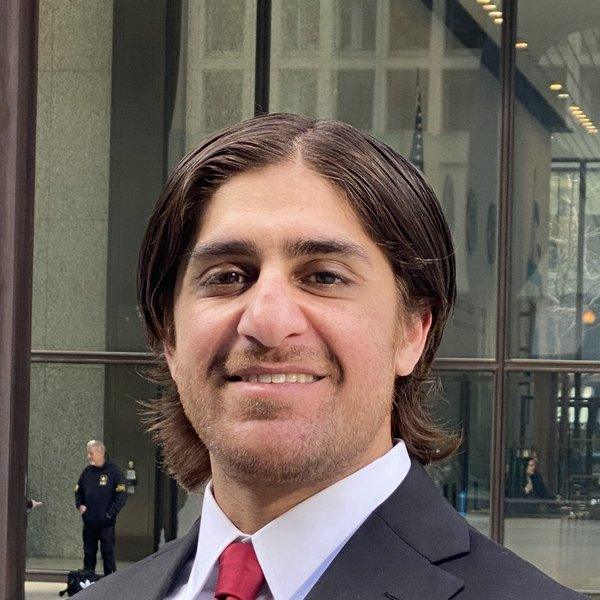
Humza Ansari handles the firm’s matters. He is licensed in Illinois and the U.S. District Court for the Northern District of Illinois, served as a staff attorney at the Illinois Appellate Court, First District, and built the firm’s template system for commercial collections. We work with businesses across Illinois and around the country whose debtors, contracts, or judgments bring them to Illinois courts.
Start with a comprehensive consultation
Tell us what you’re owed and by whom, or what you’re thinking of buying. We’ll tell you whether it’s collectible, what it will cost, and what happens first.
Articles on Illinois collection law
Plain-English answers to the questions creditors ask: how to collect a judgment, what to check before buying a debt portfolio, how wage deduction works, how to revive an old judgment, and how to collect when your contract says arbitration.
Common questions
Seven years from entry. It can be revived by petition, and revival can extend enforcement to twenty years from the original judgment.
It requires the debtor or a third party to disclose assets under oath; service on the debtor creates a lien and bars transfers, and service on a bank freezes the debtor’s funds.
Yes. The clause changes where you file, not whether you can collect. We obtain an award and confirm it as a judgment; enforcement is identical from there.
Most commercial collections are handled on contingency. Clients with recurring accounts often use a hybrid: a fixed monthly fee plus a reduced contingency.